
10 Toxic Ingredients Hiding in Your Bathroom (And the Non-Toxic Swaps That Actually Work)
You read labels. You try to eat clean. You research what goes into your body.
But what about what goes onto it?
The average woman applies 12 personal care products before leaving the house — exposing herself to more than 168 unique chemicals before breakfast. The shocking part? The FDA doesn't require cosmetic companies to prove their ingredients are safe before putting them on shelves. There is no pre-market safety testing requirement. None.
That means the burden falls on you.
This guide cuts through the greenwashing and gives you exactly what you need: the 10 most common toxic ingredients in everyday beauty products, what the research actually says about them, and the specific non-toxic swaps that work just as well — often better.
Bookmark this. Share it. Your bathroom cabinet is about to get a serious upgrade.
Why Your Personal Care Products Deserve the Same Scrutiny as Your Food
Your skin is your largest organ — and it absorbs what you put on it. Studies have detected cosmetic chemicals, including phthalates, parabens, and oxybenzone in blood, urine, and even breast milk. Unlike your digestive system, which filters many toxins through the liver before they reach your bloodstream, topical absorption often bypasses that step entirely.
This isn't about perfection or panic. It's about making informed choices with the information you have.
The Environmental Working Group's Skin Deep database rates over 87,000 personal care products for safety. Many of the most-used products in America score a 7-10 on their hazard scale. The ingredients below show up in everything from your drugstore face wash to your 'natural' deodorant — and they're worth knowing about.
The 10 Toxic Ingredients to Remove From Your Routine
1. Parabens (Methylparaben, Propylparaben, Butylparaben)
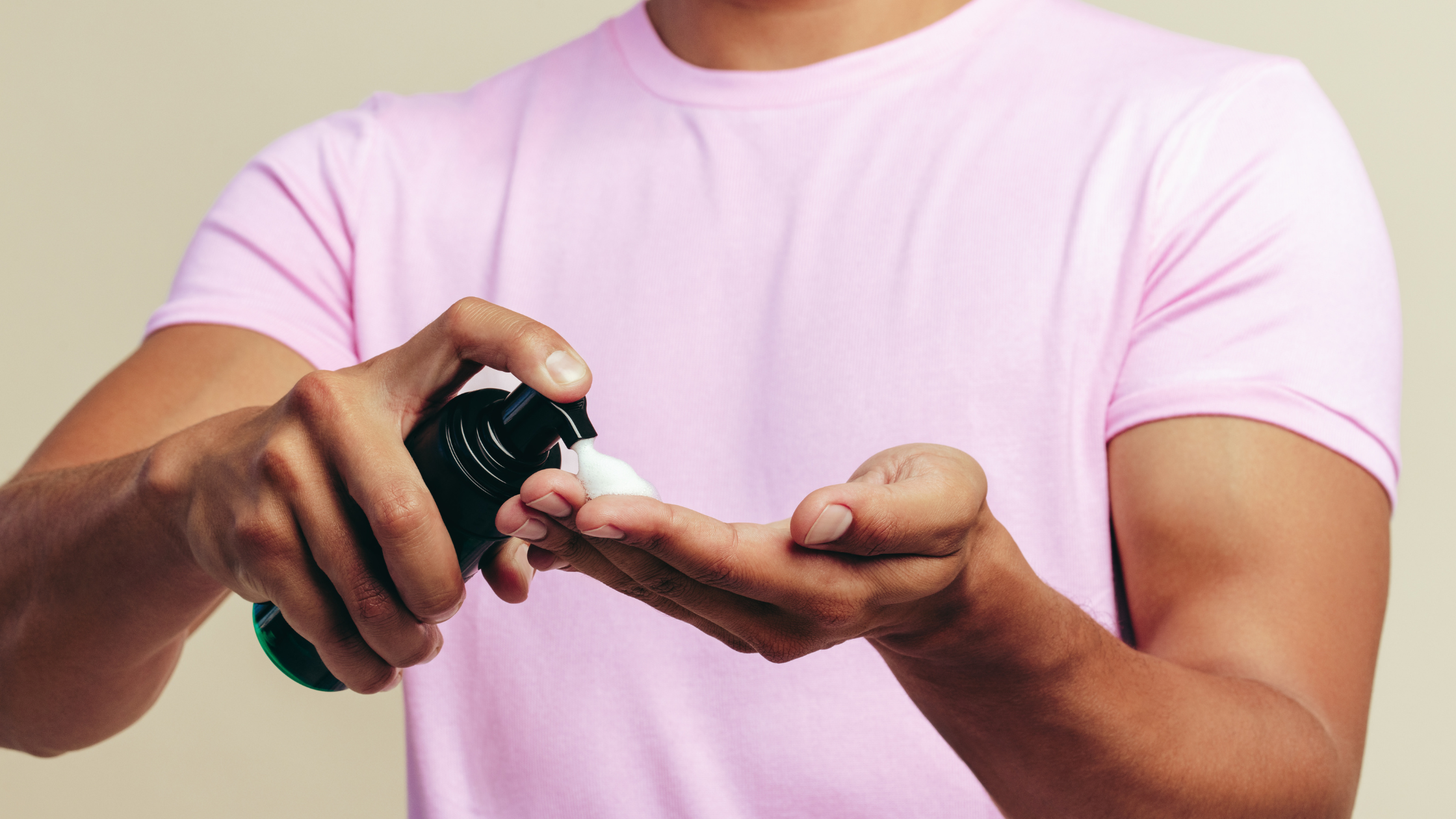
Found in: Moisturizers, shampoo, conditioner, face wash, makeup
What it is: Parabens are synthetic preservatives used to extend shelf life. They're cheap, effective at killing bacteria and mold, and have been used since the 1950s.
The concern: Parabens are endocrine disruptors — meaning they mimic estrogen in the body. Research published in the Journal of Applied Toxicology detected parabens in breast tumor tissue. While no direct causal link has been conclusively proven in humans, the European Union restricts certain parabens in cosmetics, and many researchers advocate for the precautionary principle.
How to spot it: Look for any ingredient ending in "-paraben." The most common: methylparaben, propylparaben, ethylparaben, butylparaben.
The clean swap: → Products preserved with vitamin E (tocopherol), rosemary extract, or fermentation-based preservatives. [INSERT AFFILIATE LINK: paraben-free moisturizer or serum]
2. Aluminum (in Antiperspirant/Deodorant)
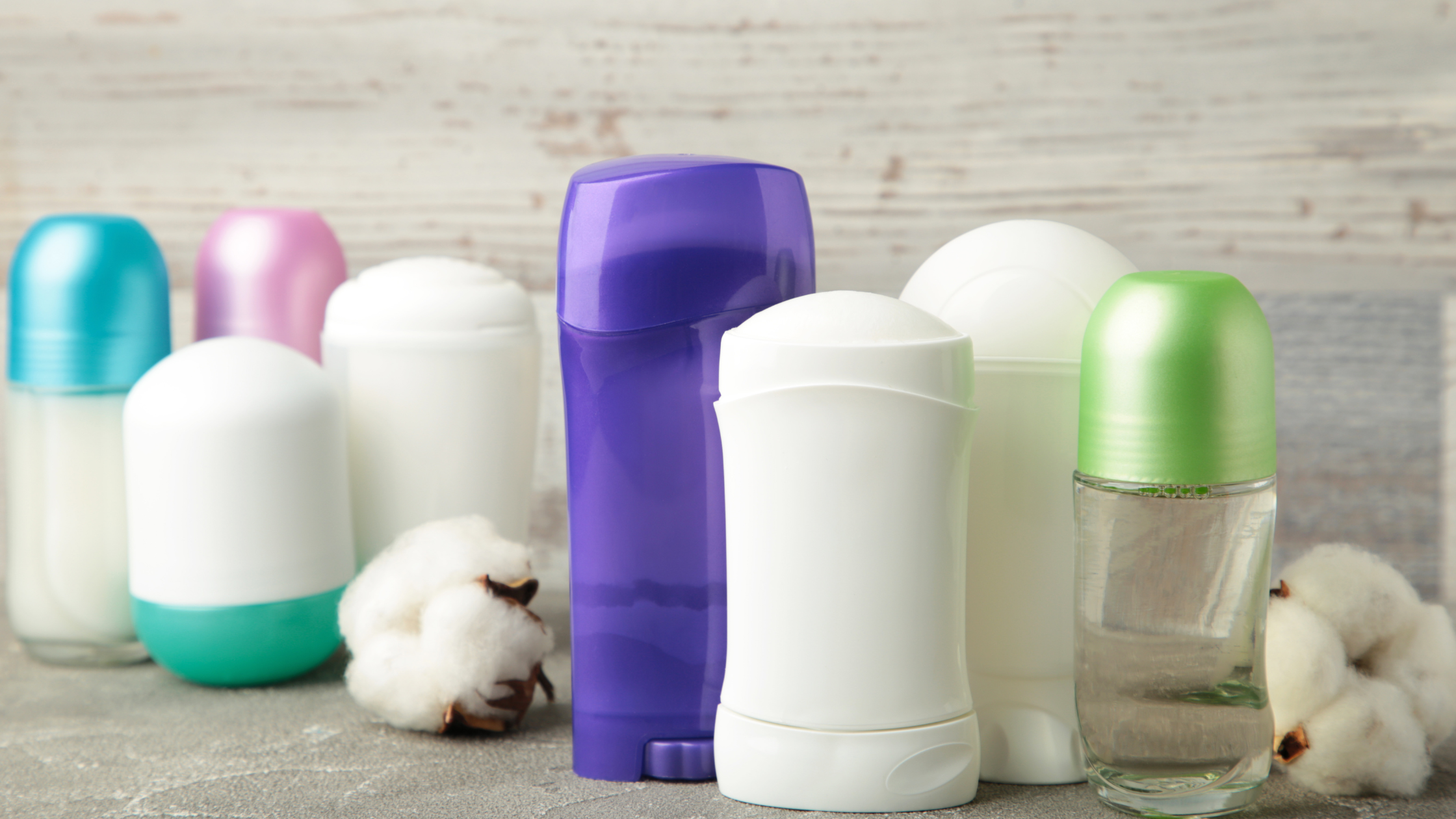
Found in: Antiperspirants, some deodorants labeled 'clinical strength'
What it is: Aluminum salts physically plug sweat ducts to prevent perspiration. They're the active ingredient in almost every conventional antiperspirant.
The concern: Aluminum is a neurotoxin and a potential endocrine disruptor. Some research has explored a possible association between aluminum exposure and breast cancer risk, given that antiperspirant is applied near breast tissue and aluminum has shown estrogenic properties in cell studies. Beyond cancer research, preventing your body from sweating isn't without consequence — sweat is a legitimate detox pathway.
How to spot it: Aluminum chlorohydrate, aluminum zirconium tetrachlorohydrex, or any ingredient beginning with 'aluminum.'
The clean swap: → A magnesium- and enzyme-based natural deodorant. [INSERT AFFILIATE LINK: natural deodorant]
3. Synthetic Fragrance (Listed as 'Fragrance' or 'Parfum')
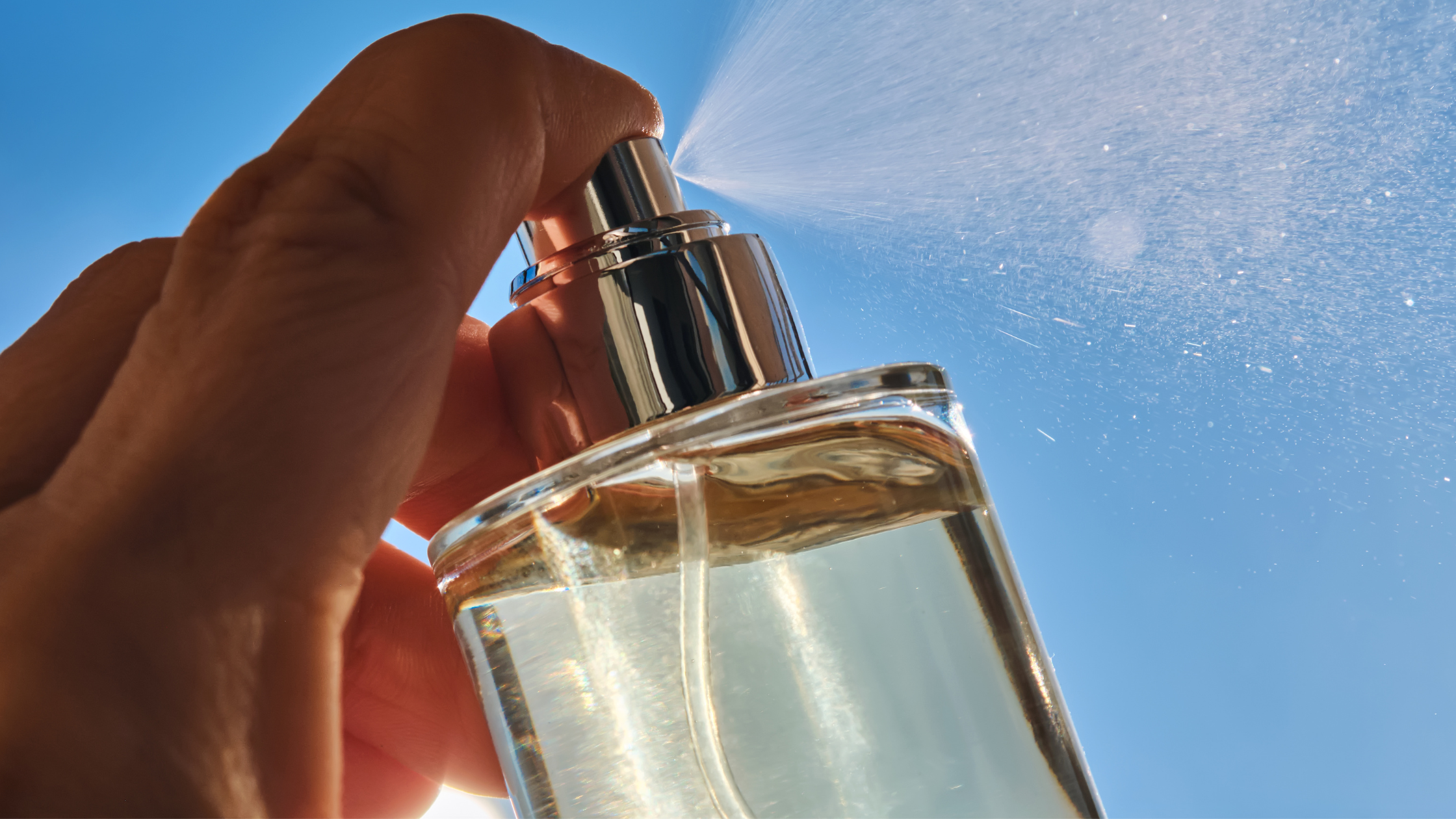
Found in: Everything — lotion, shampoo, deodorant, body wash, perfume, laundry detergent, candles
What it is: 'Fragrance' is a legally protected trade secret term that can represent a cocktail of up to 3,000 different chemicals. Companies are not required to disclose individual ingredients.
The concern: Fragrance chemicals are among the most common causes of allergic reactions, contact dermatitis, and hormone disruption in personal care products. Phthalates are frequently used to make fragrance last longer and are often hiding inside that single word.
How to spot it: Labeled 'fragrance,' 'parfum,' 'scent,' or 'aroma.' Even some 'unscented' products contain masking fragrances.
The clean swap: → Products scented with 100% pure essential oils or genuinely unscented formulas. [INSERT AFFILIATE LINK: essential oil-scented body products]
4. Phthalates (DEP, DBP, DEHP)
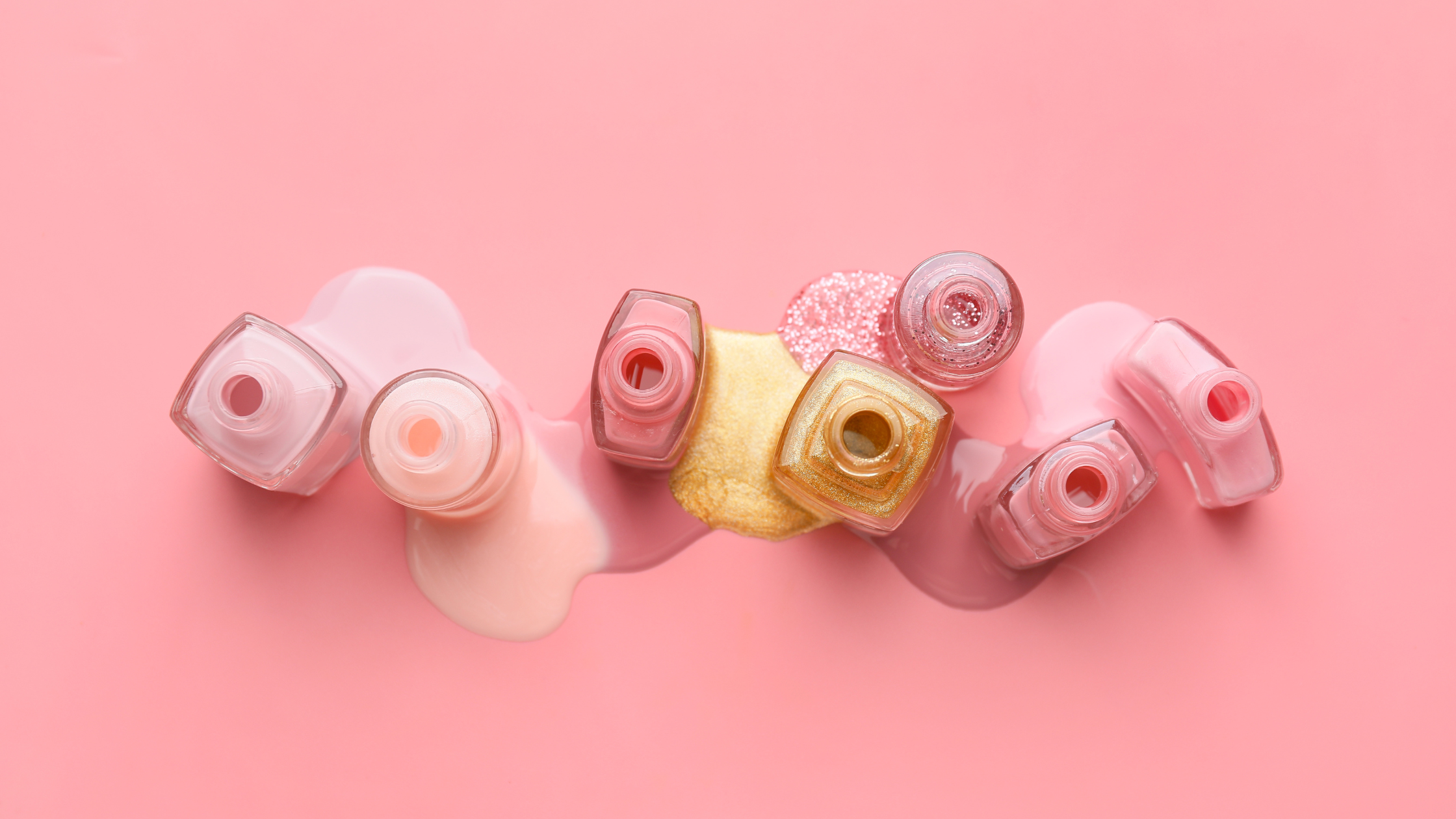
Found in: Nail polish, hair spray, synthetic fragrance, plastic packaging
The concern: Phthalates are well-established endocrine disruptors. The CDC has detected phthalates in the urine of nearly every American tested. Research has linked phthalate exposure to disrupted testosterone production, reduced sperm count, early puberty in girls, and thyroid disruption. The European Union has banned several phthalates in cosmetics. The U.S. has not.
How to spot it: DEP (diethyl phthalate), DBP (dibutyl phthalate), DEHP — but more often hiding under 'fragrance.'
The clean swap: → Phthalate-free products with transparent ingredient lists. [INSERT AFFILIATE LINK]
5. Sodium Lauryl Sulfate (SLS) and Sodium Laureth Sulfate (SLES)
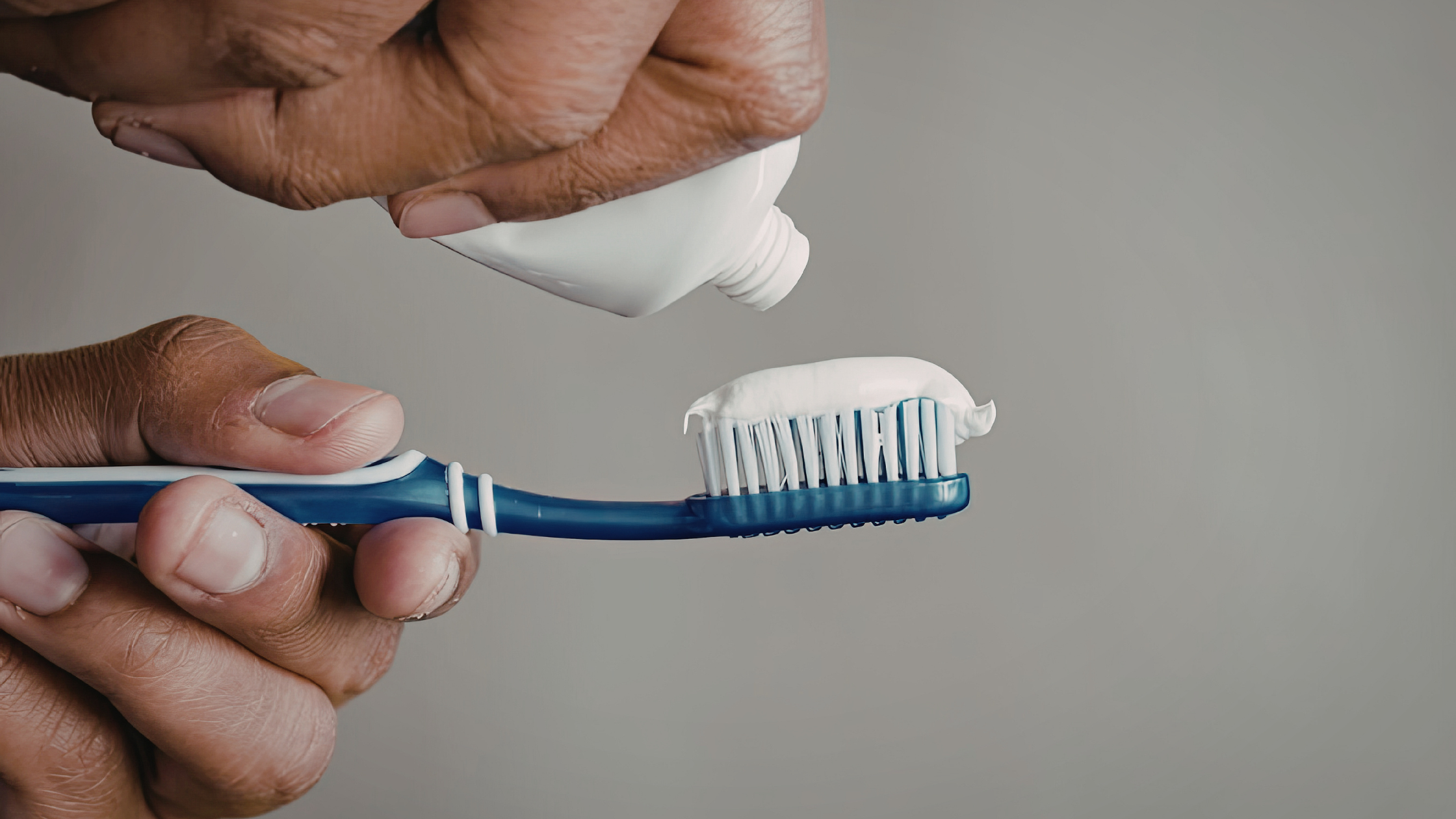
Found in: Shampoo, face wash, body wash, toothpaste, bubble bath
The concern: SLS is a known skin irritant, especially for those with sensitive skin, eczema, or rosacea. It strips the skin's natural moisture barrier, which can lead to more oil production as your skin compensates. SLES is often contaminated with 1,4-dioxane — a probable human carcinogen — as a byproduct of manufacturing.
The clean swap: → Gentle surfactants derived from coconut or sugar: coco-glucoside, decyl glucoside, or sodium cocoyl isethionate. [INSERT AFFILIATE LINK: gentle face wash or body wash]
6. Oxybenzone and Octinoxate (Chemical Sunscreen Filters)
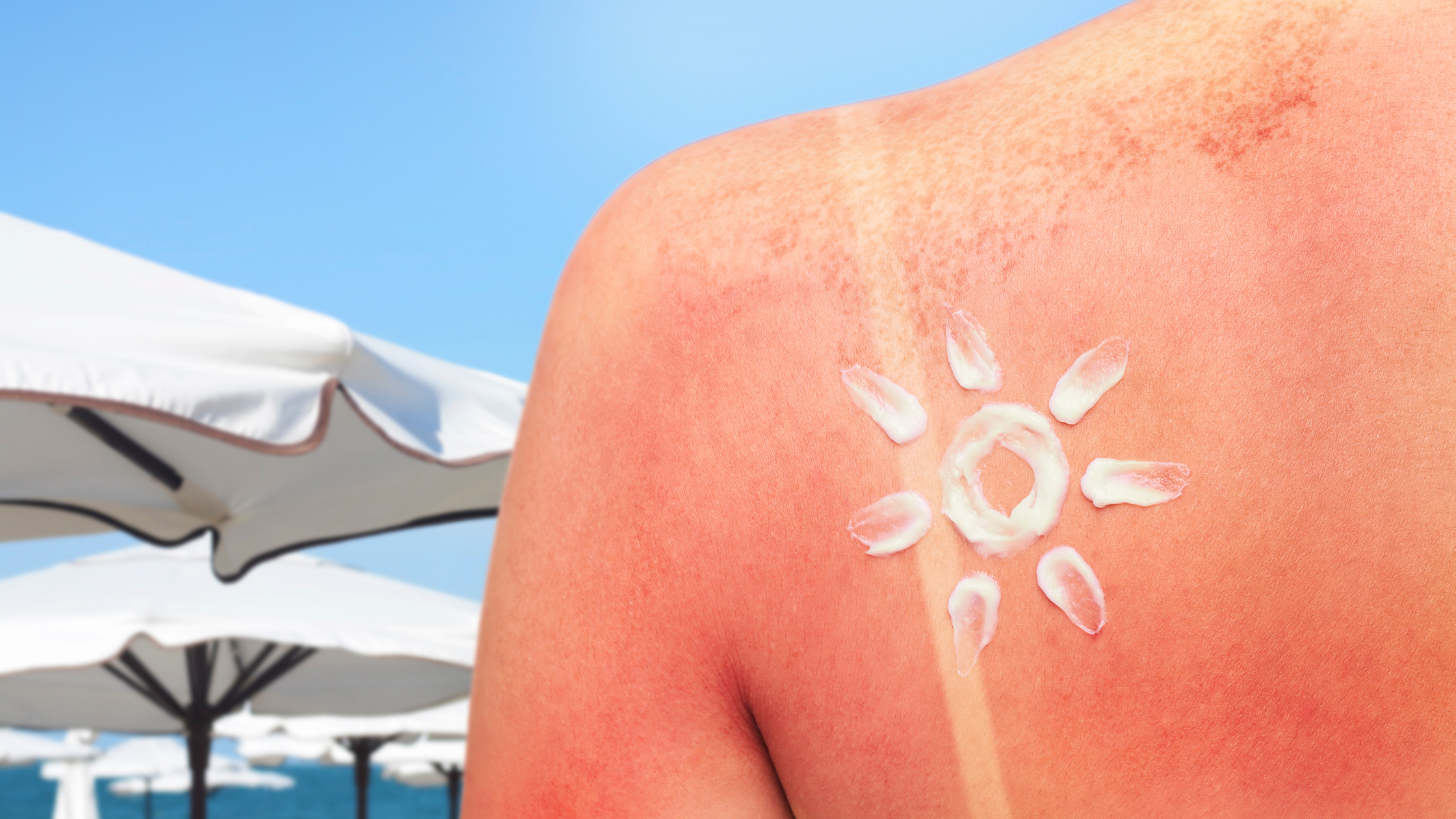
Found in: Conventional chemical sunscreens, moisturizers with SPF, lip balm with SPF
The concern: Oxybenzone is found in over 96% of Americans in CDC testing. It's a hormone disruptor that has shown estrogenic and anti-androgenic activity in research. It's also a documented coral reef killer (Hawaii banned it) and is absorbed into the bloodstream within one application, persisting for weeks.
How to spot it: Oxybenzone (benzophenone-3), octinoxate (ethylhexyl methoxycinnamate), octisalate, avobenzone, and octocrylene.
The clean swap: → Mineral sunscreen using zinc oxide and/or titanium dioxide. [INSERT AFFILIATE LINK: mineral SPF]
7. Formaldehyde and Formaldehyde-Releasing Preservatives
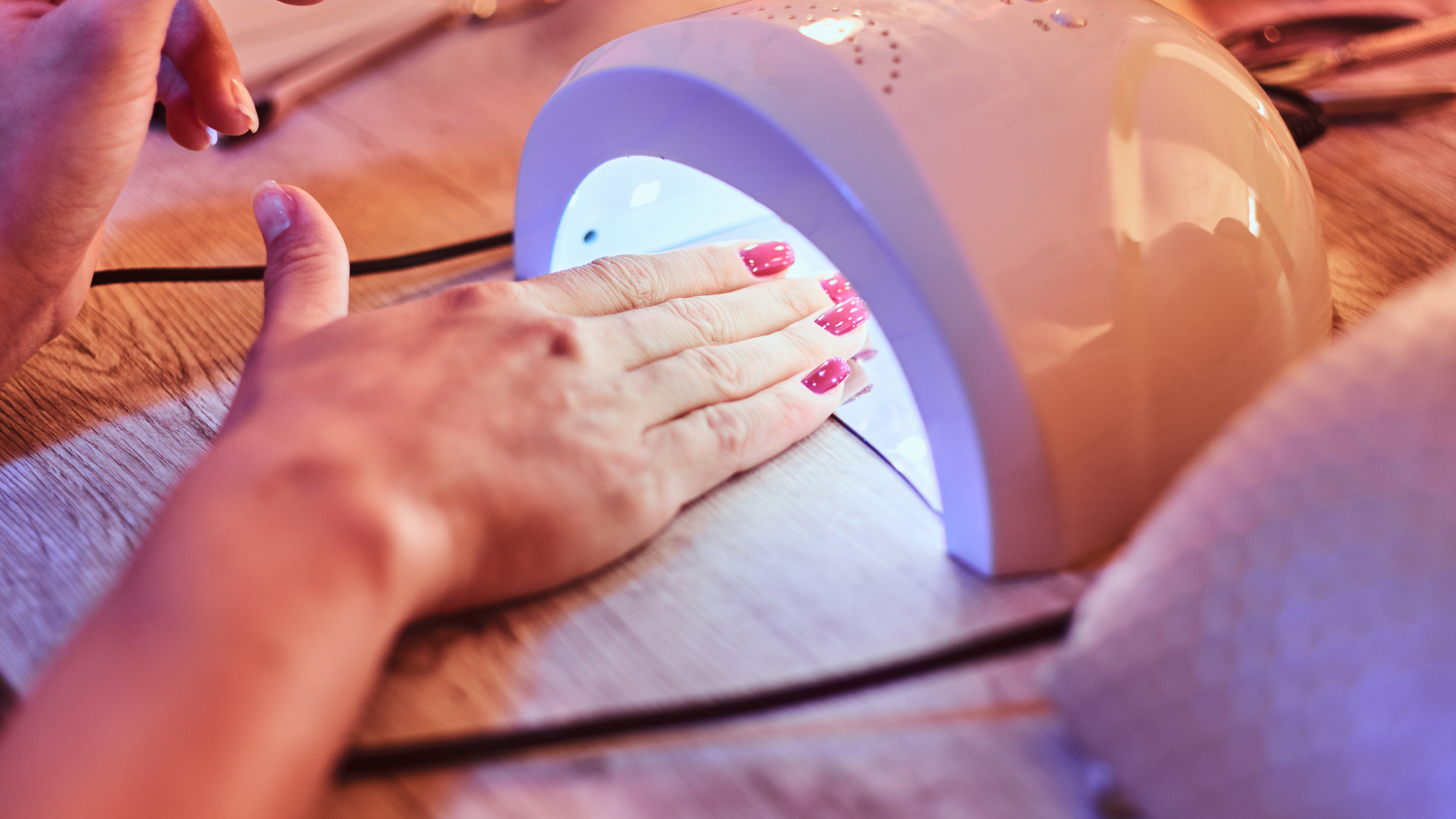
Found in: Nail polish, nail hardeners, hair straightening treatments, some shampoos and body washes
The concern: The International Agency for Research on Cancer classifies formaldehyde as a Group 1 carcinogen (definitively causes cancer in humans). Many brands don't list formaldehyde directly but use chemicals that slowly release it over time. The "smell" of a nail salon is commonly a mix of formaldehyde and acetone.
How to spot it: DMDM hydantoin, quaternium-15, imidazolidinyl urea, diazolidinyl urea, sodium hydroxymethylglycinate.
The clean swap: → Products preserved through antioxidants, fermentation, or anhydrous formulations. [INSERT AFFILIATE LINK]
8. Triclosan
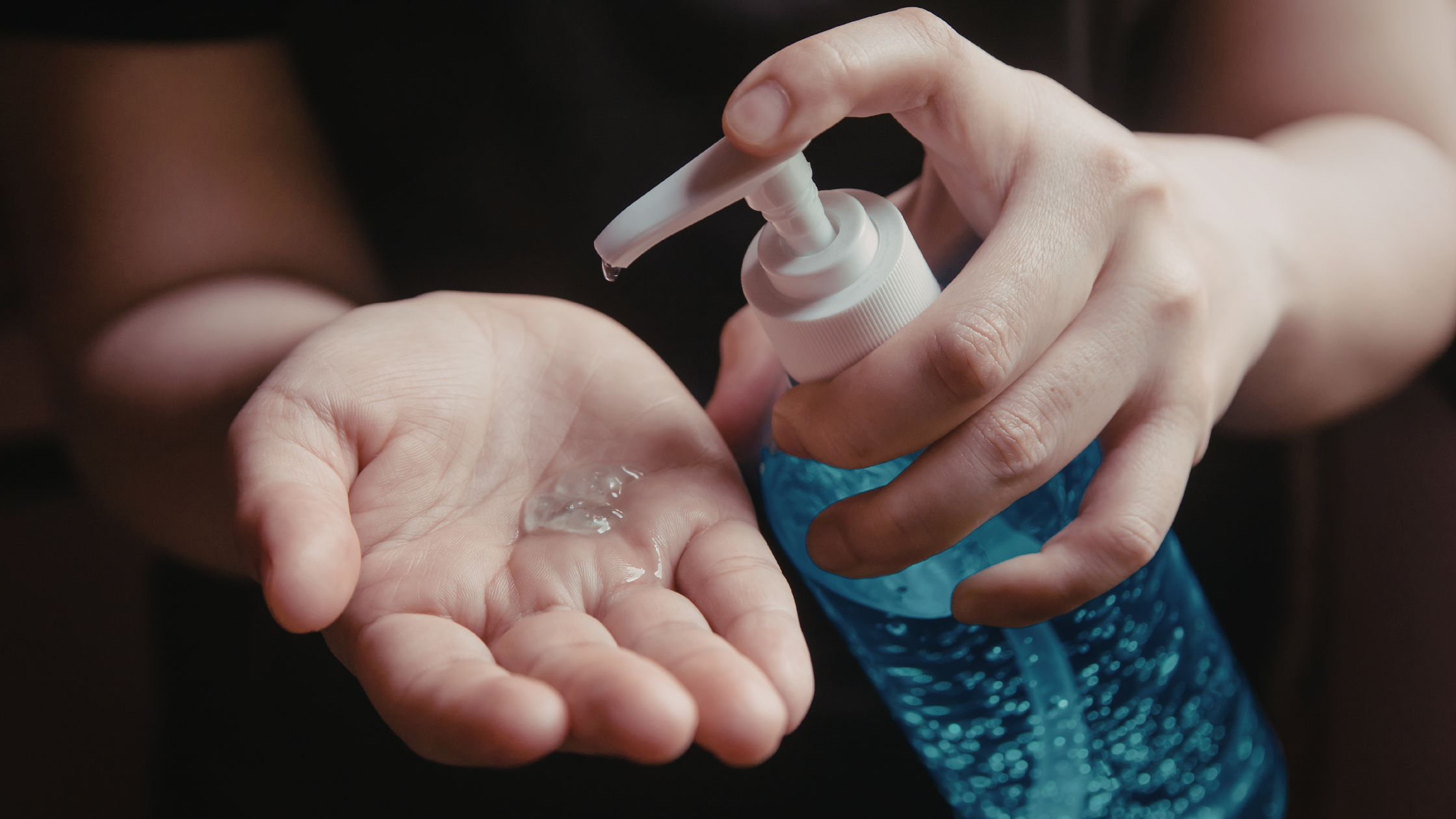
Found in: Antibacterial soap, hand sanitizer, toothpaste, deodorant
The concern: Triclosan is an endocrine disruptor that interferes with thyroid hormone metabolism and testosterone function. It also contributes to antibiotic-resistant bacteria. The FDA banned triclosan from hand soaps in 2016 — but it remains legal in many other product categories. Research has found triclosan in human blood, urine, and breast milk.
The clean swap: → Regular soap and water, or plant-based antimicrobials like tea tree oil or thyme. [INSERT AFFILIATE LINK: natural hand soap or cleanser]
9. PEGs (Polyethylene Glycols)
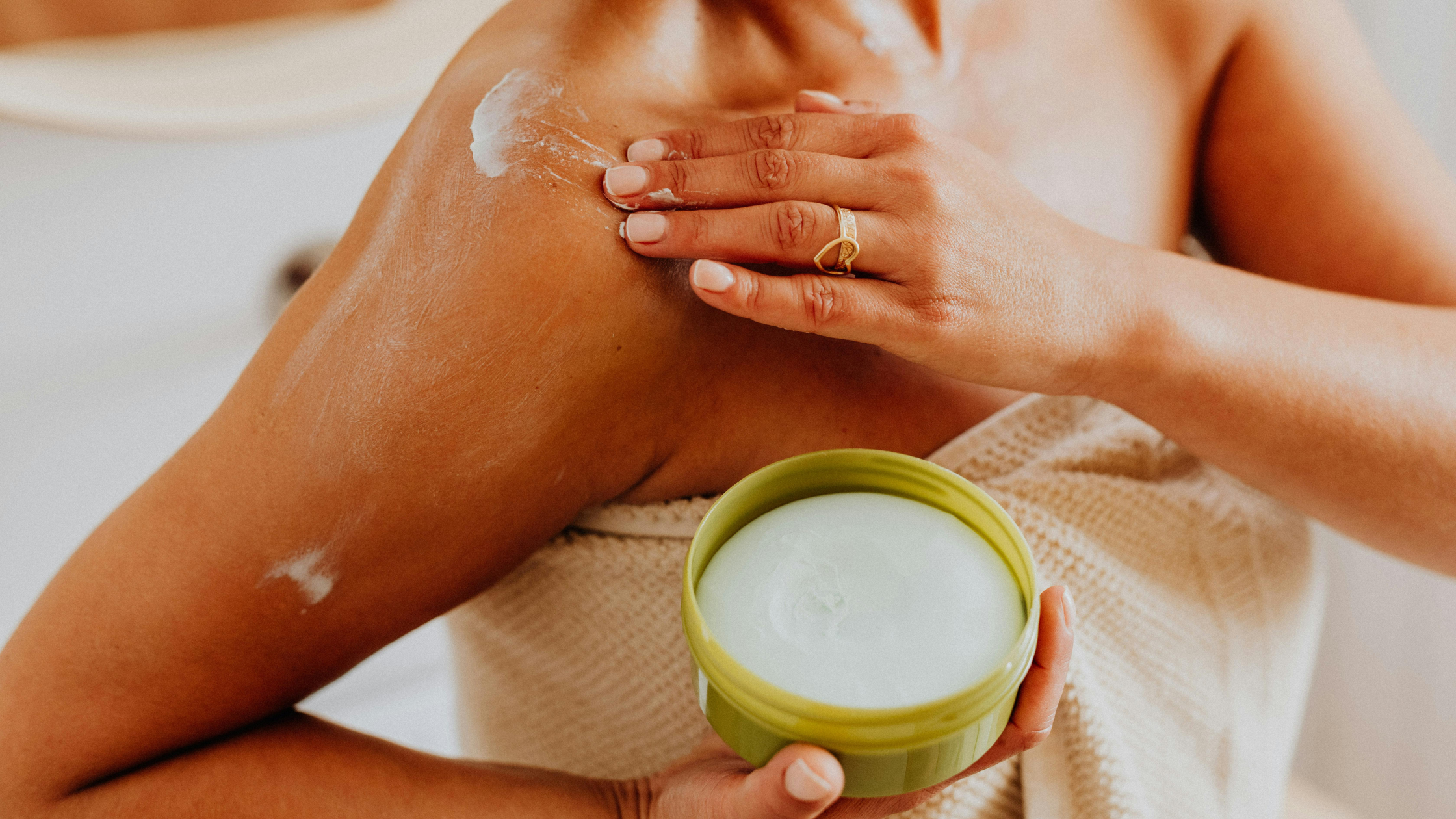
Found in: Cream-based products, conditioners, moisturizers, sunscreen
The concern: PEGs are often contaminated with 1,4-dioxane and ethylene oxide — both probable human carcinogens — as byproducts of manufacturing. Their role as penetration enhancers also means they carry other ingredients deeper into the skin than they would otherwise reach.
How to spot it: Any ingredient with 'PEG' followed by a number: PEG-100, PEG-40, PEG-6, etc. Also look for polysorbates.
The clean swap: → Plant-derived emollients like jojoba oil, shea butter, or tallow-based formulas. [INSERT AFFILIATE LINK: tallow balm or clean moisturizer]
10. Hydroquinone
Found in: Skin-lightening creams, dark spot correctors, age spot treatments
The concern: Hydroquinone is classified as a possible carcinogen. The FDA has repeatedly proposed reclassifying it as prescription-only. It can cause ochronosis — permanent bluish-black skin discoloration — with extended use. It has also been associated with kidney and nerve damage in studies on high concentrations.
The clean swap: → Vitamin C, niacinamide, kojic acid, alpha arbutin, and azelaic acid for safe brightening. [INSERT AFFILIATE LINK: vitamin C serum or brightening serum]